Best BJJ Gyms in Thailand (2026)
BJJ and grappling gyms in Thailand, ranked from verified listings with gi/no-gi planning tips.
Thailand’s BJJ scene pairs well with MMA and Muay Thai, this guide ranks grappling gyms with real discipline tags and live reviews.
On this page
40
Verified/trusted BJJ / grappling-tagged gyms ranked on CombatStay.
Grappling travel
How to choose a Thailand BJJ gym for a long stay
Ranking matters, but retention comes from routine. For a 2–8 week trip, optimize for a schedule you’ll keep: class frequency, open mats, recovery, and whether the gym culture fits your personality.
If you’re also training MMA, make sure no‑gi classes align with MMA sessions so you’re not doubling hard rounds every day.

Why train BJJ in Thailand?
Grappling + travel
If you are comparing best BJJ gyms in Thailand, you want open mats, coach quality, and schedules that survive jet lag, not a renamed kickboxing article. We filter listings so only gyms that tag Brazilian Jiu-Jitsu, grappling, or clear BJJ variants appear here, then rank by verified guest feedback.
Thailand’s appeal is lifestyle + training density: you can pair grappling with striking tourism, recovery, and food, if you pace the workload.
Gi, no-gi, and competition tracks
Class design
Hygiene & culture
Cross-training
A realistic 7‑day BJJ training template
If you want to stay longer and see real progress, build a week you can repeat. This structure works for 1–8 week trips.
Beginner-friendly week
- 3–4 classes: focus on fundamentals + positional sparring.
- 1 open mat: controlled rounds, ask questions, don’t chase taps.
- 2 recovery blocks: mobility, walking, early sleep.
Competition / cross-training week
- 5–6 sessions/week: alternate hard and technical days.
- Protect joints: tap early; don’t stack max rounds daily.
- If you train MMA: sync no‑gi days with MMA sessions.
Budget & packing
How to compare BJJ gyms for a long stay
“Best” isn’t just a rank number. Compare class frequency, open mat access, shower facilities, drop-in policy, and whether gi/no‑gi aligns with your goals.
For longer trips, total cost is more than membership: laundry, transport, recovery, and how easy it is to show up consistently.
Further reading
Rulesets and competition context
If you’re choosing a gym for competition prep, it helps to know which ruleset and format you’re training for. Use these as references, then choose a Thailand gym based on schedule, coaching fit, and culture.

Browse all BJJ gyms in Thailand
Filter price, city, and more.
Ranked BJJ gyms
Chunked layout with editorial breaks keeps long-form SEO value high without hiding the directory.
Ranks 1–5
Top BJJ picks
Highest review momentum among BJJ-tagged gyms. Compare class density, coach ratios, and whether competition travel is part of the culture.
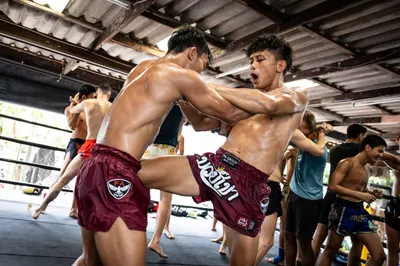
F.A.GROUP MUAYTHAI
F.A. Group Muaythai Gym is a traditional Muay Thai training gym located in Bangkok’s Chatuchak district, just off Vibhavadi Rangsit Road, c…
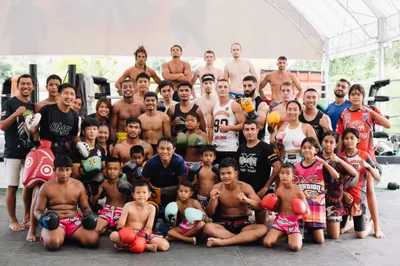
Revolution Muay Thai
Revolution Muay Thai Gym is located in Cherng Talay, Phuket, just a short walk from Surin Beach and Bang Tao Beach, offering a beachside tr…
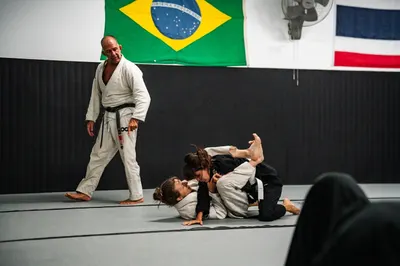
Born to Roll
Born to Roll BJJ is a dedicated Brazilian Jiu-Jitsu academy located in Rawai, Phuket, offering high-level grappling instruction in a focuse…
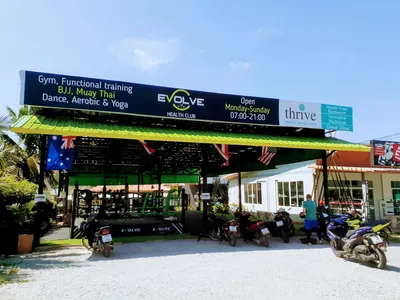
Nova Uniao
Nova Uniao Phuket is a Brazilian Jiu-Jitsu and martial arts academy located on Soi Ta-iad (Phuket’s famous “Fitness Street”) in Chalong, on…
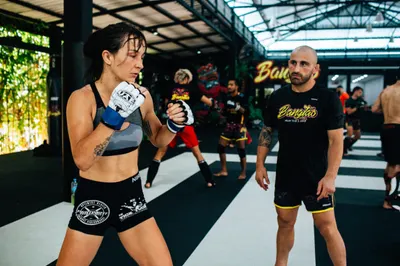
Bangtao Muay Thai & MMA
Bangtao Muay Thai & MMA is located in Phuket, Thailand, within easy reach of beautiful Bang Tao Beach and local restaurants, shops and acco…
Ranks 6–10
Next tier
Still grappling-filtered. Look for open mat times, shower facilities, and whether drop-ins are welcome, especially in tourist-heavy areas.
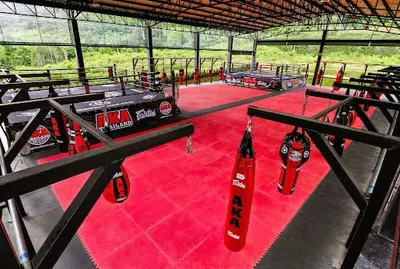
AKA Thailand
#1 MUAY THAI SCHOOL IN THAILAND Voted by the Thailand Government four years in a row! World-Class Training & One-of-a-Kind Facilities in a…
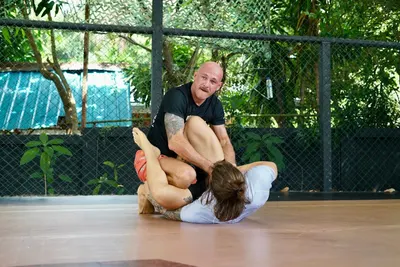
ALFA training camp
ALFA Training Camp – Koh Phangan, Thailand Located in Ban Tai, Koh Phangan, Alfa Brazilian jiu-jitsu is a boutique combat sports training …
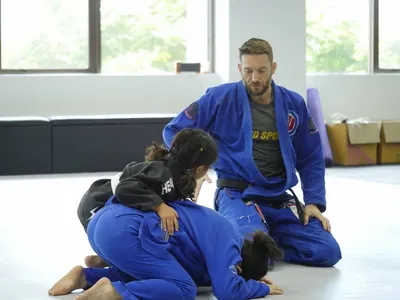
Arete Brazilian Jiu-Jitsu
Martial Arts School 📞 Tel. 082-685-8712 (ENGLISH, ไทย) ☎️ Tel. 096-943-9198 (日本語) 📍 20th floor, Home Place Building, Thonglor soi 13 💡 F…
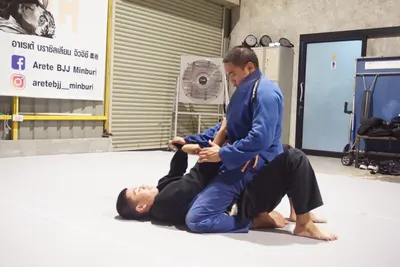
Arete Brazilian Jiu-Jitsu Minburi
Instructor : Mitsuhiro Nakamura Mitsuhiro has first started training in Tokyo, Japan in 1998. He moved to Nova Uniao Japan after he receive…
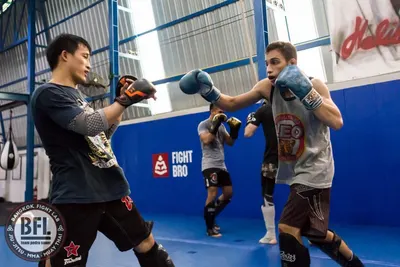
Bangkok Fight Lab
Whether you are an aspiring MMA fighter or just want a fun way to get or stay in shape, we have the right package for you. And if you don't…
Ranks 11–15
Mid-list
Great for travelers comparing price and schedule fit. Rank is not personality, read “about” sections closely.
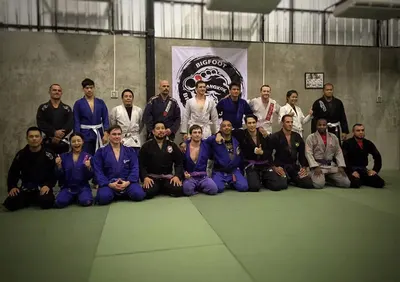
Bigfoot BJJ
Bigfoot Bangkok BJJ was started in June 2016 in the heart of Bangkok, we’ve recently moved to a new permanent location, roughly 3 min away …
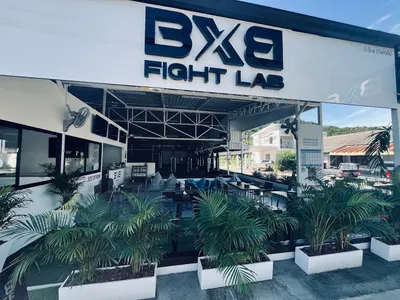
BXB Fight Lab Professional Boxing and Muay Thai Gym
Located in the heart of Lamai Beach, Koh Samui, BXB Fight Lab is a high-performance training center built on the philosophy of "Brick by Br…
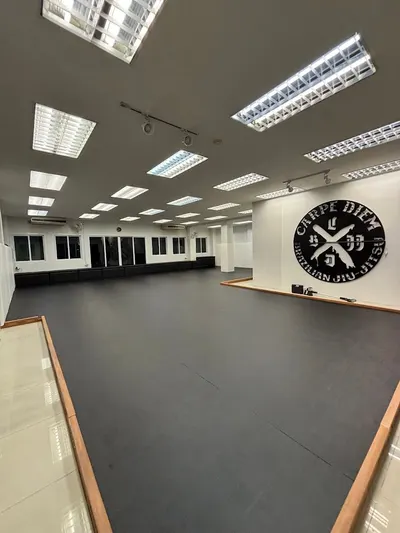
Carpe Diem BJJ
Brazilian Jiu-Jitsu is for everyone. Friendly atmosphere and Good vibes. Jiujitsu is for everyone. It doesn’t matter if you are a businessm…
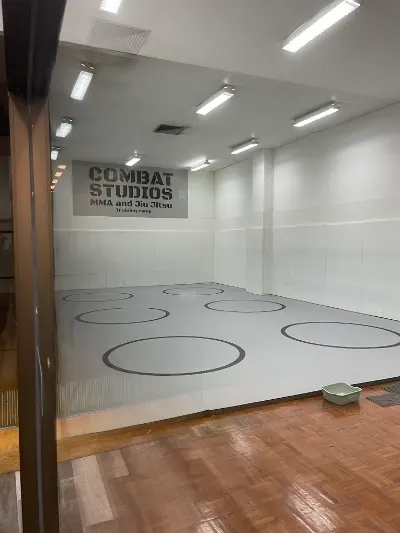
Combat Studios Bangkok
Combat Studios – Bangkok, Thailand Located in the heart of Bangkok's Sukhumvit district, Combat Studios is a modern combat sports facility…
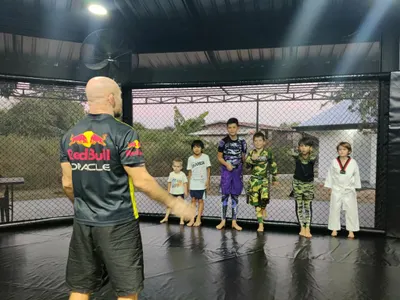
Draco Fight Camp
Elite MMA, BJJ & Muay Thai Training in Hua Hin Located in Hua Hin, Draco Fight Camp offers a modern and technical combat sports training e…
Ranks 16–20
More gyms
Expands your shortlist beyond the first page of Google. All entries still meet discipline and verification rules.
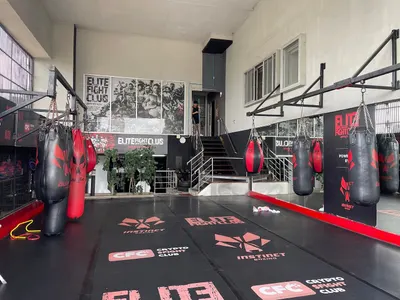
Elite Fight Club
At Elite Fight Club, we offer a diverse range of high-energy classes designed to challenge and inspire athletes of all levels. Whether you’…
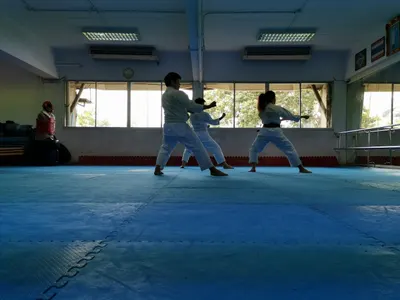
Executive Martial Arts Centre
Martial arts school in Bangkok, Thailand
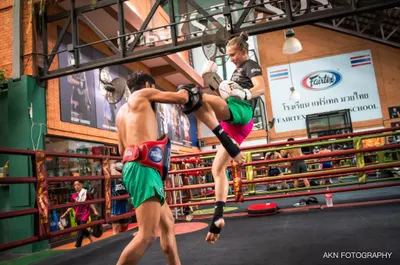
Fairtex Training Center
Fairtex Training Center is a premier Muay Thai, MMA and Brazilian Jiu-Jitsu training camp located in Pattaya, Thailand, at the heart of one…
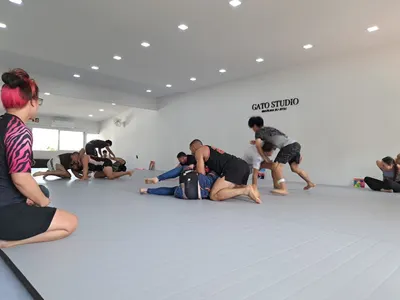
Gato Studio BJJ
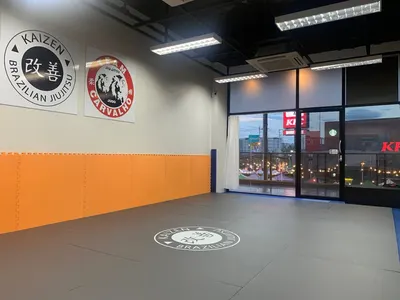
Kaizen Jiu Jitsu
Kaizen Jiu Jitsu – Chiang Mai, Thailand Located in Chiang Mai, Kaizen Jiu Jitsu is a dedicated Brazilian Jiu-Jitsu academy offering high-q…
Ranks 21–25
Final ranks
If you also train MMA, cross-check our MMA Thailand guide.
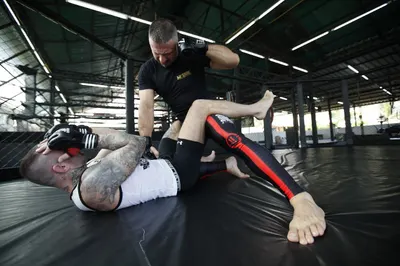
Kombat Group
Structured Boxing, Muay Thai, and Weight Loss programs with coach-led sessions, technical corrections, and a supportive community. Stay on-…
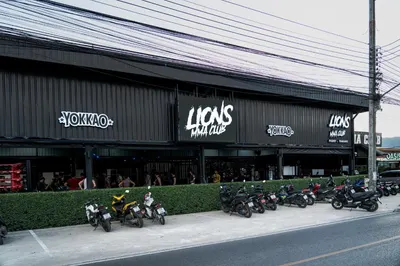
Lions MMA Club Phuket
Lions MMA Club Phuket – Chalong, Phuket, Thailand Located on the famous Soi Ta-iad "Fitness Street" in Chalong, Phuket, Lions MMA Club Phu…
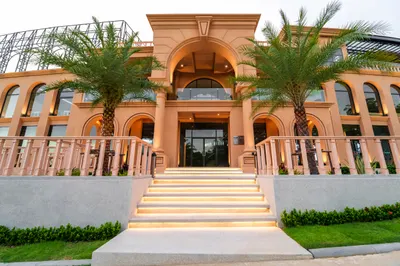
LUDUS Sports Complex Chalong
Located in the heart of Chalong’s famous Fitness Street, LUDUS Sports Complex is one of Phuket’s newest high-performance training destinati…
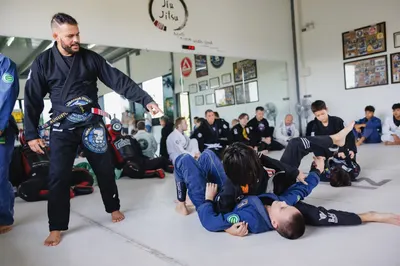
Miranda Fight Team Hua HIn
Welcome to Miranda Fight Team, located in the heart of Hua Hin, Thailand, where passion for Brazilian Jiu Jitsu meets expert guidance under…
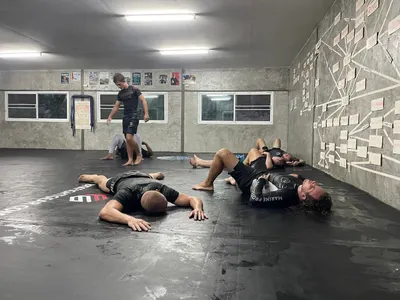
Monsoon Gym
Located on the tropical island of Koh Tao, Monsoon Gym is one of the longest-standing and most versatile fight camps in the Gulf of Thailan…
Ranks 26–30
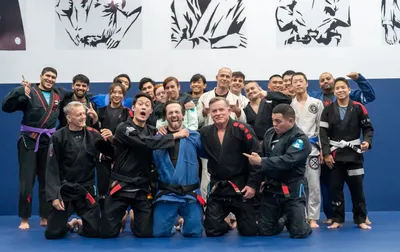
Ohana BJJ
Ohana BJJ – Bangkok, Thailand Located in central Bangkok's Chidlom district, Ohana BJJ is a modern Brazilian Jiu-Jitsu academy offering BJ…
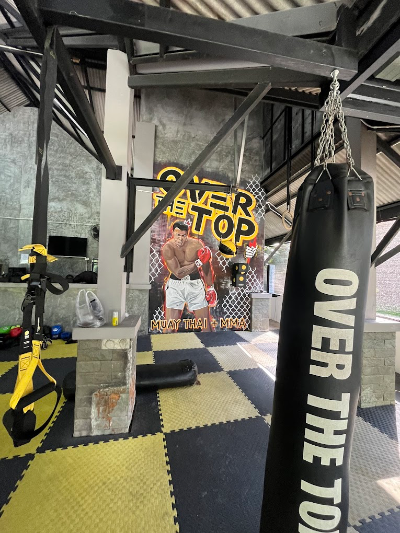
Over The Top Muay Thai & MMA Gym
Train in one of Krabi’s fastest-growing combat sports gyms at Over The Top Muay Thai & MMA Gym, a modern training camp located in Ao Nang, …

Phuket Grappling Academy
Founded in 2021, we are one of the first gyms in Asia to adopt an entirely No-gi curriculum (adult) and a modern approach to grappling trai…
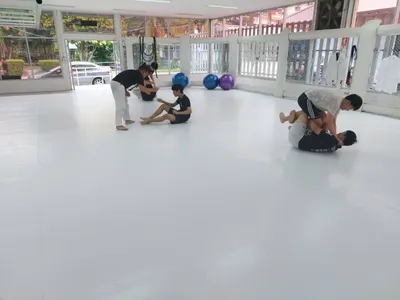
POM GYM
POM GYM is one of Bangkok’s leading martial arts school specializing in Brazilian Jiu Jitsu / Mixed Martial Arts / Muay Thai programs. Our …
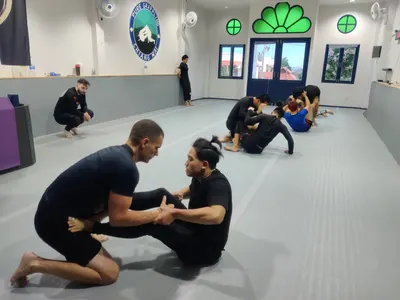
Pure Grappling
Pure Grappling – Chiang Mai, Thailand Located in the Suthep area of Chiang Mai, Pure Grappling is a dedicated Brazilian Jiu-Jitsu and subm…
Ranks 31–35
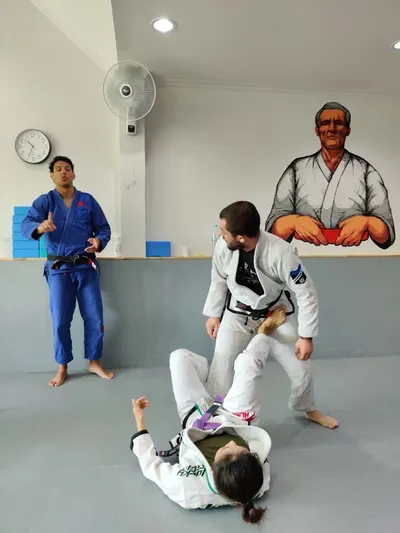
Pure Grappling
Pure Grappling is a Martial Art and Yoga school in Chiang Mai, Thailand. Oriented around a shared love of the grappling martial arts, we te…
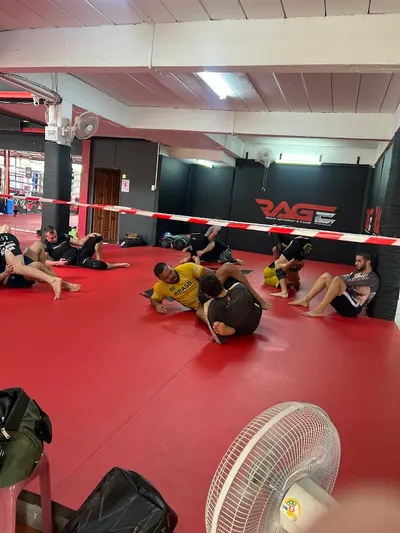
Rage Fight Academy
Rage Fight Academy is located in the south side of Pattaya, only 5 min from Dongtan and Jomtien beach. We are not only a fight gym, but we…
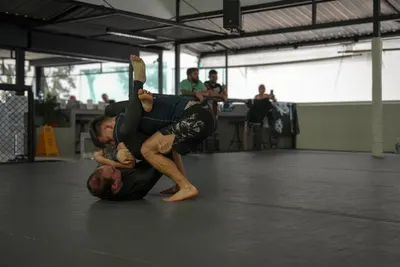
Southside MMA
A fresh new state of the art facility in Rawai, Phuket, Thailand. Loaded with brand new equipment, elite trainers and supporting facilities…
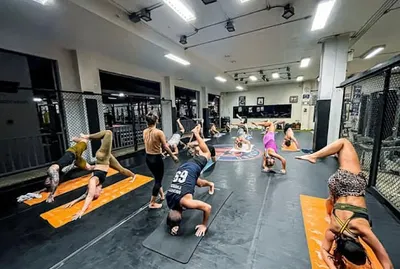
SuperproSamui
Looking For The Ultimate Training Camp In Thailand? Superpro Samui Is Koh Samui’s Top-Rated Muay Thai, MMA, And Fitness Resort, Welcoming B…
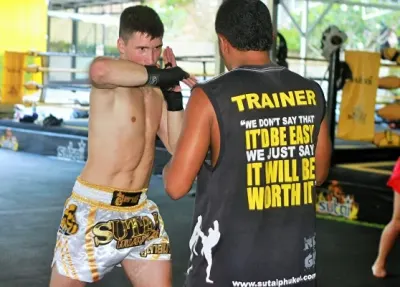
Sutai Muay Thai Gym Camp Shop
Sutai Muay Thai & MMA is a premier training destination located in the upscale Surin Beach area of Phuket. Situated just minutes from one o…
Ranks 36–40
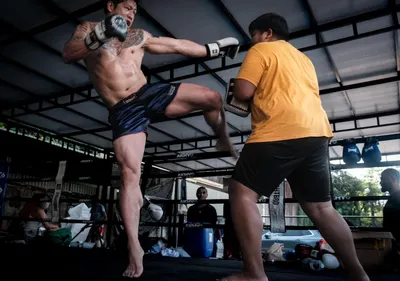
Tiger Eye Muay Thai and MMA
Tiger Eye sits in Ari, one of Bangkok’s most livable neighborhoods. We’re a five-minute walk from BTS Ari, close to Chatuchak Market, and a…
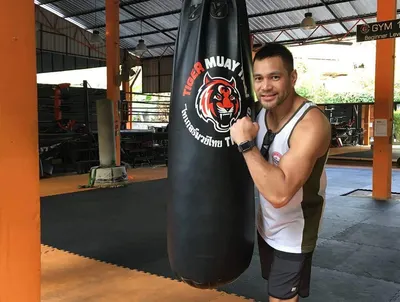
Tiger Muay Thai
Tiger Muay Thai started off with vision to bring quality and authentic Muay Thai Training in Thailand to people of all levels.Now, the camp…
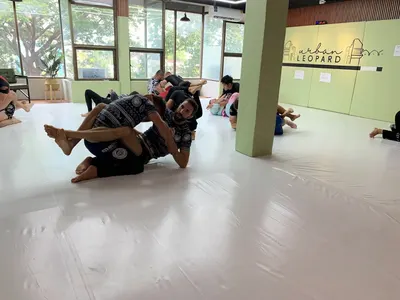
Urban Leopard BJJ
Urban Leopard BJJ – Chiang Mai, Thailand Located in Chiang Mai's Old City, Urban Leopard BJJ is a dedicated Brazilian Jiu-Jitsu and submis…
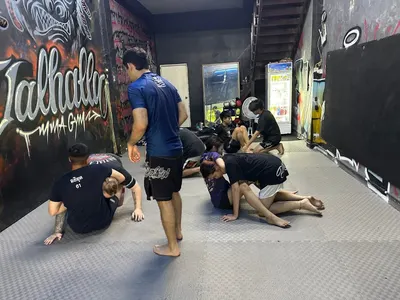
Valhalla MMA gym
Muay thai boxing gym in Bangkok, Thailand
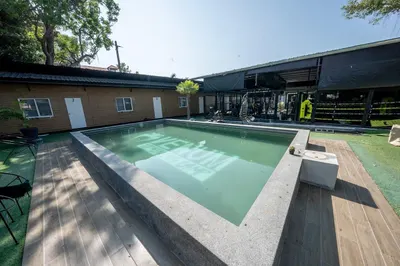
Venum Training Camp
The Venum Training camp is a very unique concept in Thailand. Located on the nicest place of the country, the Venum Training Camp of Pattay…
FAQ
BJJ traveler questions.
Gi vs no-gi, which do Thailand BJJ gyms emphasize?
It varies by gym and coach lineups. Read each profile for class types, nogi schedules, and competition teams.
Are these gyms only for competitors?
No. Many listings welcome hobbyists. Confirm fundamentals class frequency and open mat rules on the gym page.
Why not use a Muay Thai guide for grappling?
Disciplines differ. This page filters BJJ/grappling tags so you do not waste time on striking-only camps.
Is no-gi common in Thailand BJJ gyms?
Many gyms offer no-gi, but schedules vary. Check each listing for class types and weekly frequency, some gyms run mostly gi with a few no-gi sessions.
Do Thailand BJJ gyms allow drop-ins?
Often yes, but policies differ. Confirm drop-in rules, open mat times, and hygiene expectations on the gym profile before you show up.
How much does BJJ training cost in Thailand?
Prices vary by city and membership length. Short stays may pay drop-in or weekly rates; longer stays often get better monthly pricing. Confirm current rates on each gym page.
Is Thailand BJJ safe for beginners?
It can be, but intensity and partner matching vary. Look for fundamentals classes, controlled rolling, and clear hygiene rules. If you’re brand new, prioritize consistency and learning over “hard rounds.”
What should I pack for BJJ training in Thailand?
A gi if you already own one (or confirm if the gym sells/rents), a rashguard for no-gi, tape for fingers, and a mouthguard if you cross-train striking. Many travelers buy gear locally to reduce luggage weight.
How long should I stay to improve at BJJ while traveling?
Two to four weeks of consistent classes and open mats is enough to feel real progress. Longer stays work best when you manage training intensity and protect sleep and recovery.
Ready to pick your Thailand BJJ gym?
Filter every verified Thailand BJJ gym by price, dates, and gi/no-gi, book directly on CombatStay.